

Maritime technology is undergoing significant transformation, and concrete submarines are leading this revolution. These state-of-the-art vessels are set to change how we conduct military operations, explore the deep sea, and even create underwater habitats.
Stealth and Reduced Acoustic Signatures
Concrete submarines are stealthier than metal-hulled ones, making them difficult to detect by adversaries. This feature is crucial for military purposes, allowing for covert missions and enhancing national security.
Concrete underwater vehicles use specialized construction techniques and materials to reduce acoustic signatures. Damping materials and unique concrete mixes absorb sound, enabling the submarines to move silently and evade detection.
Autonomous and Unmanned Systems
Autonomous concrete submarines are the future of underwater exploration and surveillance. These vessels can operate without a crew and are ideal for oceanographic research, environmental monitoring, and underwater mapping.
Uncrewed concrete underwater vehicles are invaluable for navigating intricate underwater terrain, collecting data, and executing pre-programmed tasks in risky missions where human operators are impractical or dangerous.
Deep Sea Exploration
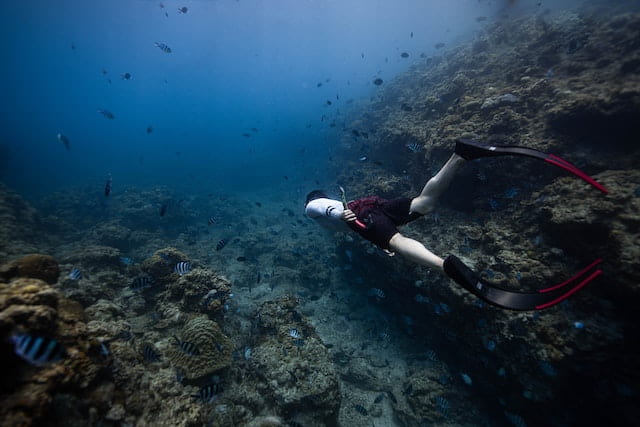
Concrete submarines can withstand the ocean’s extreme conditions and help scientists study previously inaccessible ecosystems and geological features. Concrete underwater vehicles can revolutionize deep-sea exploration, aiding in discoveries about marine life and geology while helping us understand climate change’s impact on oceans and develop sustainable resource extraction.
Underwater Habitats
Concrete underwater vehicles are not limited to exploration and military applications; they also promise to create underwater habitats. These innovative vessels can be repurposed as habitats for scientists, aquanauts, and future aquatic communities.
Their robust construction and self-sustaining systems make them an ideal platform for extended stays beneath the waves.
Imagine a world where underwater habitats serve as research stations, resorts, or even homes for those who seek to live beneath the ocean’s surface. With their adaptability and durability, concrete submarines could turn this vision into a reality, opening up a new frontier for human civilization.
Concrete submarines represent a significant leap forward in maritime technology, offering stealth, autonomy, and versatility that revolutionize how we explore the deep sea, conduct underwater operations, and potentially create aquatic habitats. As technology continues to evolve, underwater vehicles and other sunken vessels will play a crucial role in expanding our knowledge of the ocean’s secrets and our ability to coexist with the aquatic world.